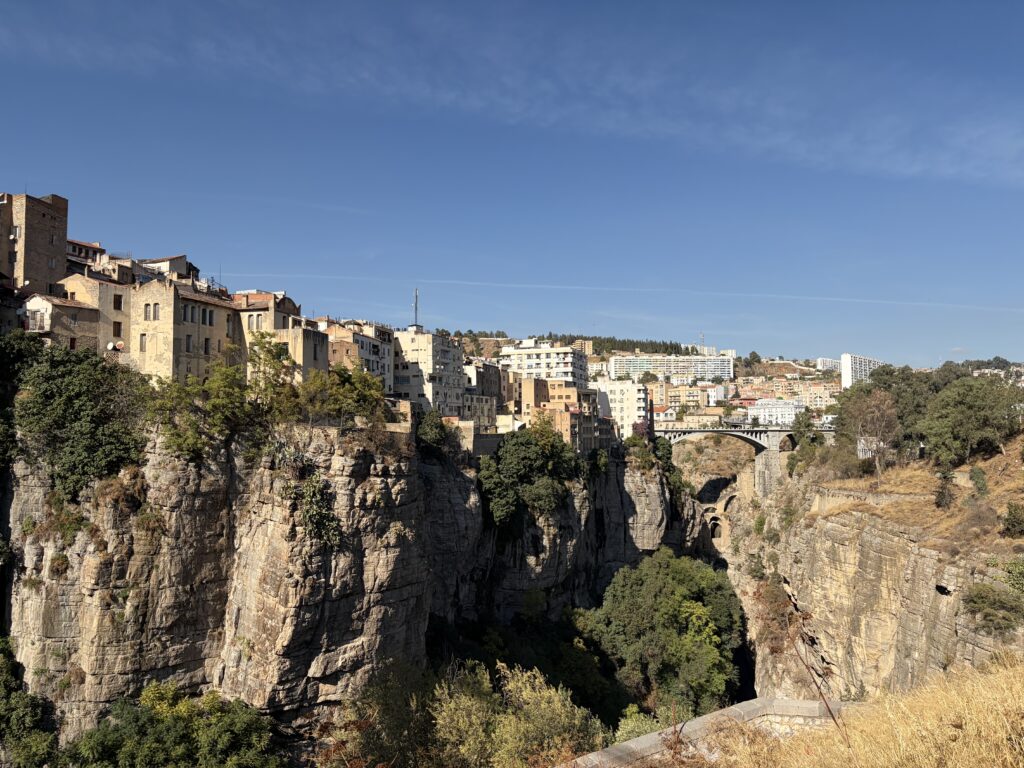
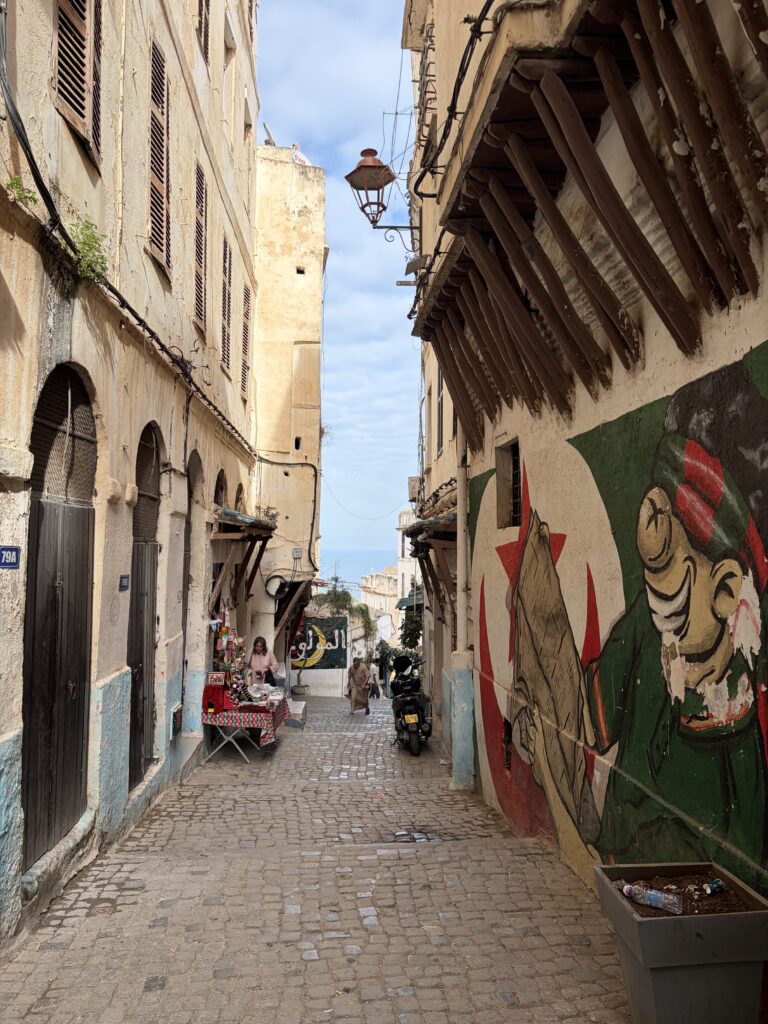
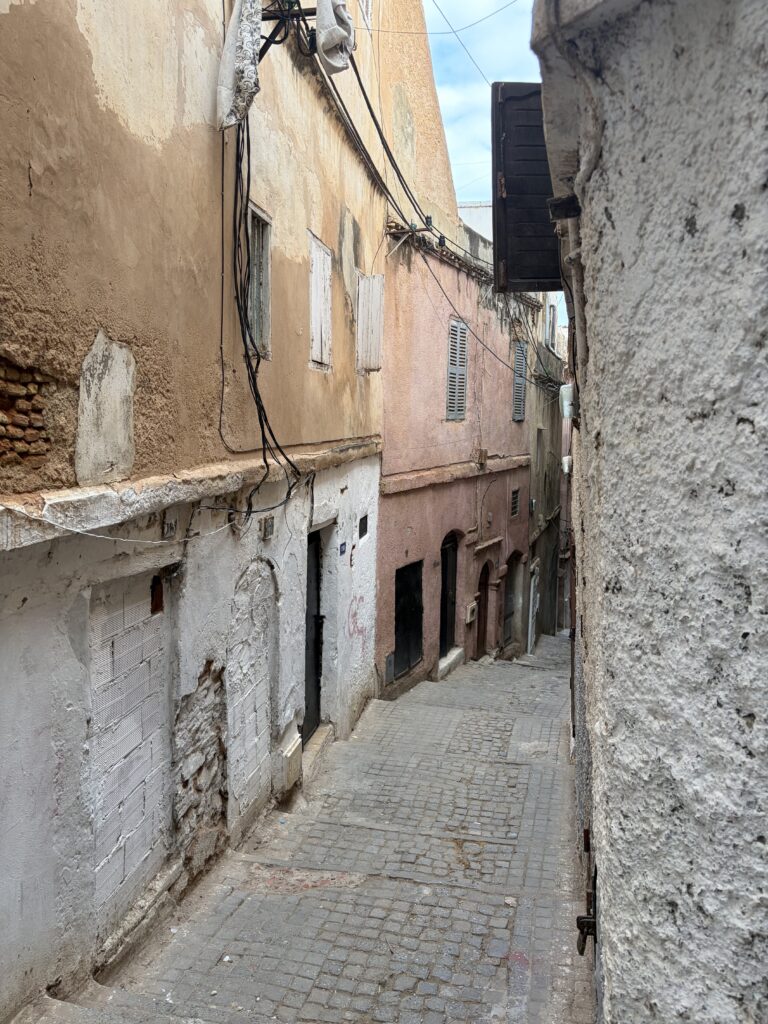
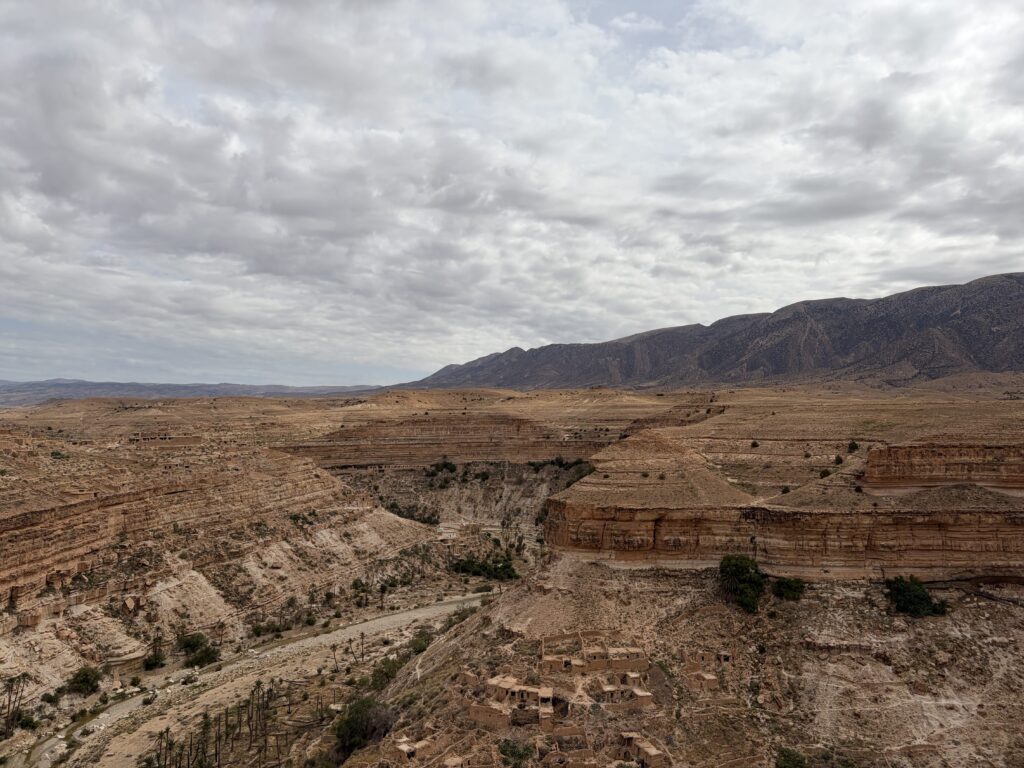
Ghoufi is the site of cliffside houses called “troglodyte dwellings”, and is referred to as Algeria’s Grand Canyon. It used to be underwater, and fossils of sea creatures can apparently still be found at the top of the cliffs. The dwellings were built about 400 years ago, originally carved or tunnelled into simple caves in the rock, but later built up as the inhabitants began to work with brick and other materials. We did not descend to see the actual dwellings, it’s apparently an arduous 3-hour hike down and back from where we were observing it, so the distanced viewing was enough for me, although Geoff and our driver did venture part-way down for better views.

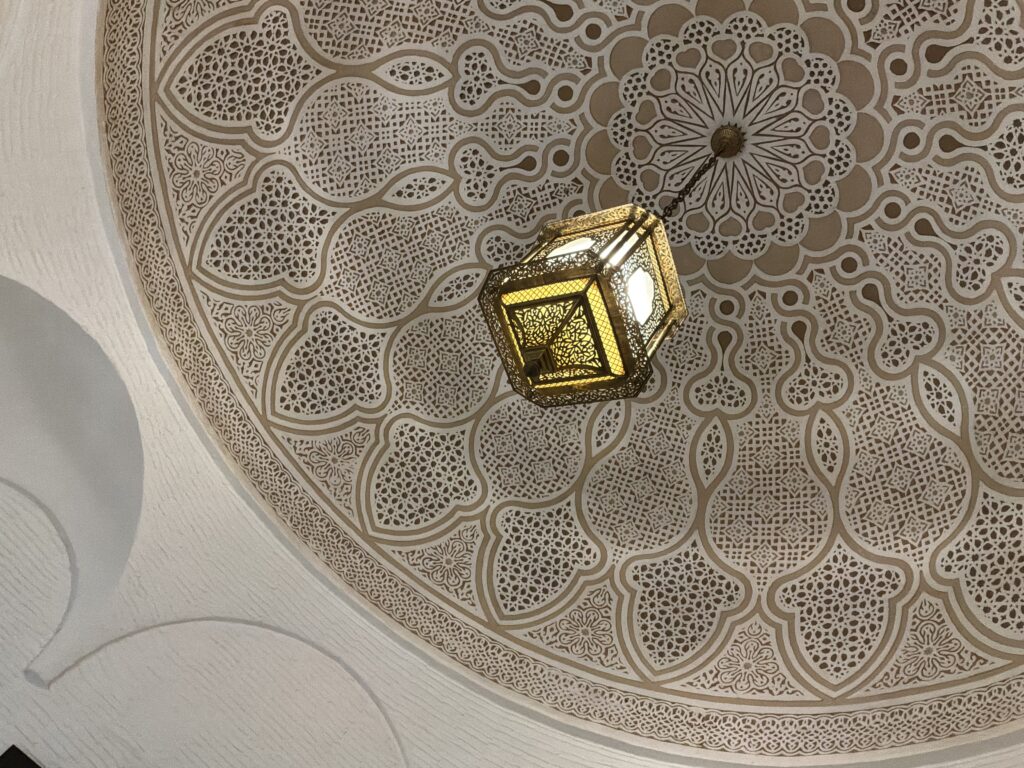
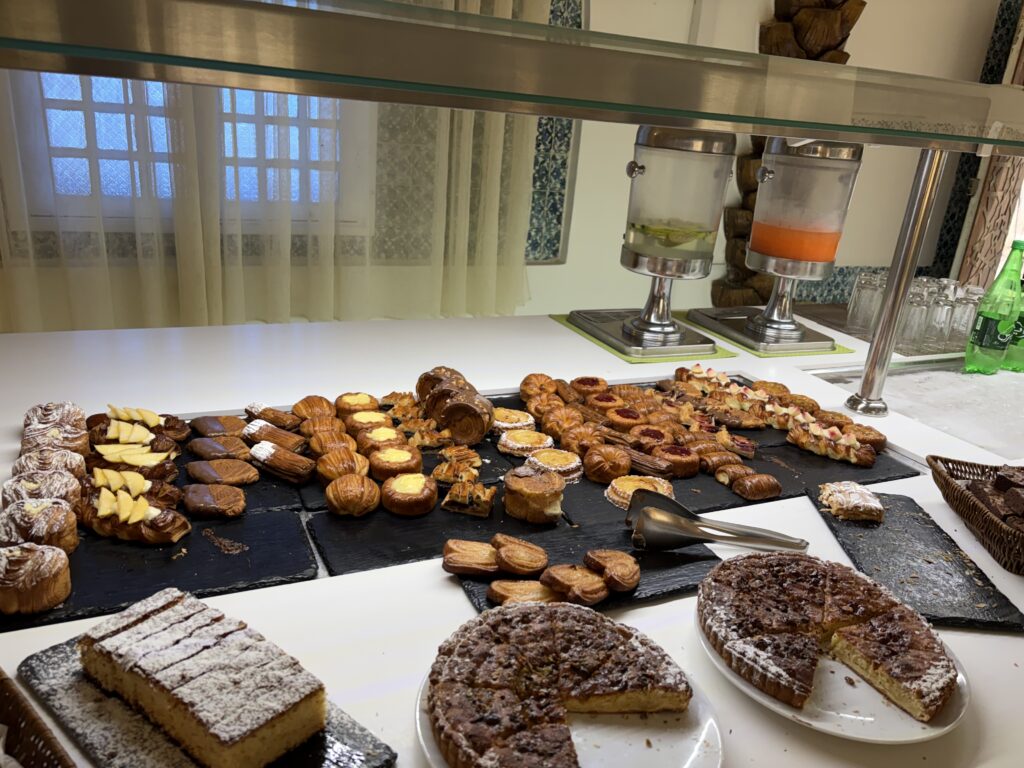
Next day, we continued our journey south, stopping for a day in the somewhat sleepy town of El Oued. Spent a leisurely morning strolling the market, then visited a nearby madrassa (Islamic school), then enjoyed a free afternoon, which was honestly a nice break after several travel days. We’re in a rather fancy hotel here, with a domed roof in our room, which is typical architecture of the area. In fact, they call El Oued the City of a Thousand Domes. The domes take up warm air to keep rooms cooler in the desert heat, and it does work. Will also mention here since I am thinking about the hotel, that at breakfast in most places where we stay, there is a great selection of sweet pastries. I have been avoiding them, but it’s just surprising to see them at breakfast. It seems that Algerians, like me, have a sweet tooth.


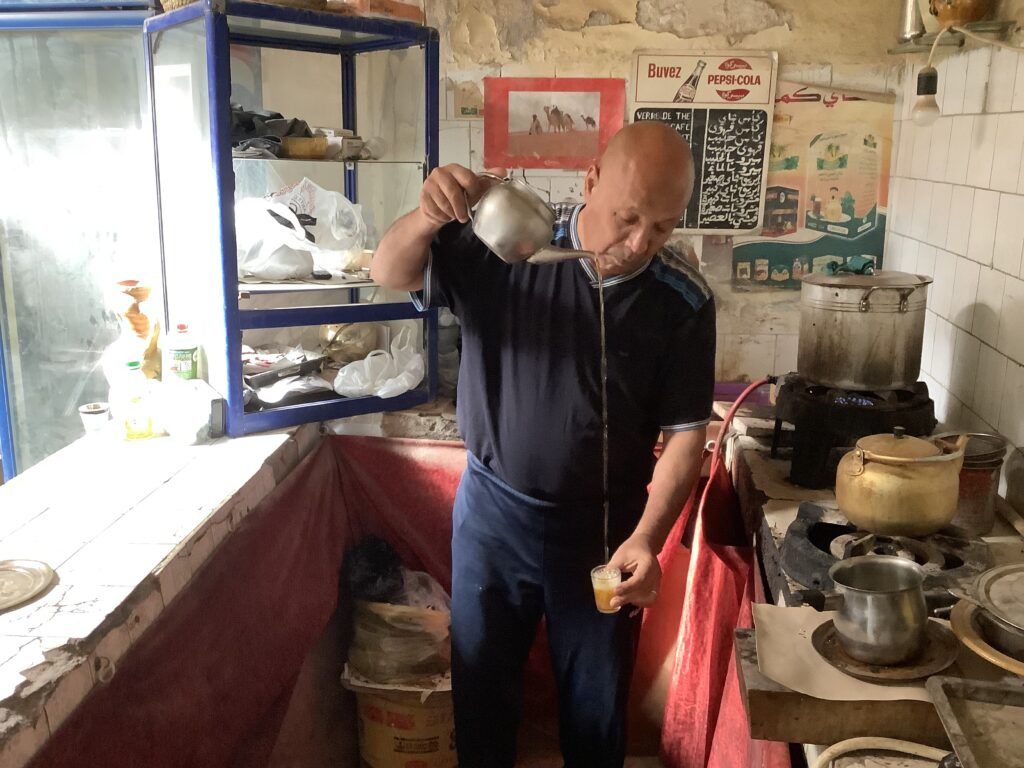
There is also a wonderful teapot fountain on the premises; anyone who knows my Scottish family knows our penchant for “a wee cup of tea” on all occasions, so I loved this. By the way, when you ask for tea here, you’ll be served mint tea, with the leaves brewed quite strongly, and some sugar added. Served in very small cups, maybe about 3 or 4 ounces, and I’m getting quite used to it I must admit.

After breakfast on Sunday, we hit the road to the south, heading for Ghardaïa, an oasis town. Very quickly as we drove, the temperature climbed, the air became noticeably drier, and eventually the palm trees and tall plants gave way to scrubby desert.
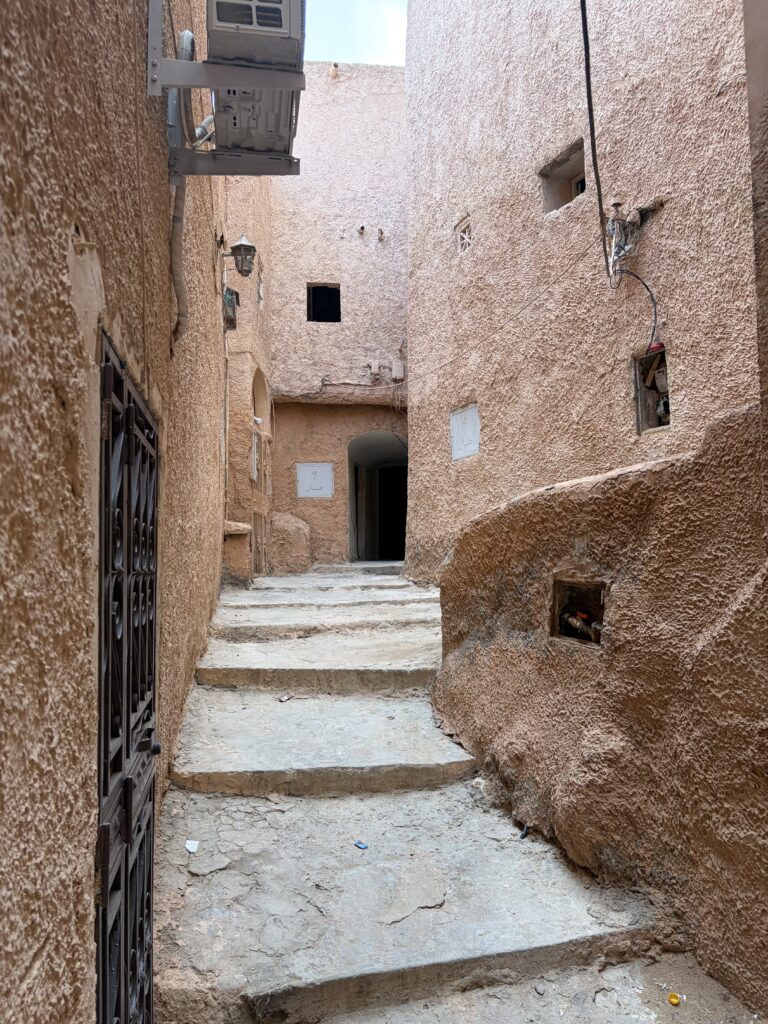
We visited the old town, similar in some ways to the Casbah in Algiers. It’s truly a maze, with short alleyways and covered passages running in all directions. I don’t think any street goes further than about 20 straight yards. It would be hard to find your way and walk through the city without a guide. I learned today these old towns were built exactly like this on purpose, for a few reasons. The short passages, turnoffs, and alleys make it difficult for blowing sand to accumulate on the streets in drifts. But the design maximizes wind ventilation, and keeps the town cooler. And lastly, invaders would not be able to swarm through the town easily, so it could be better defended.
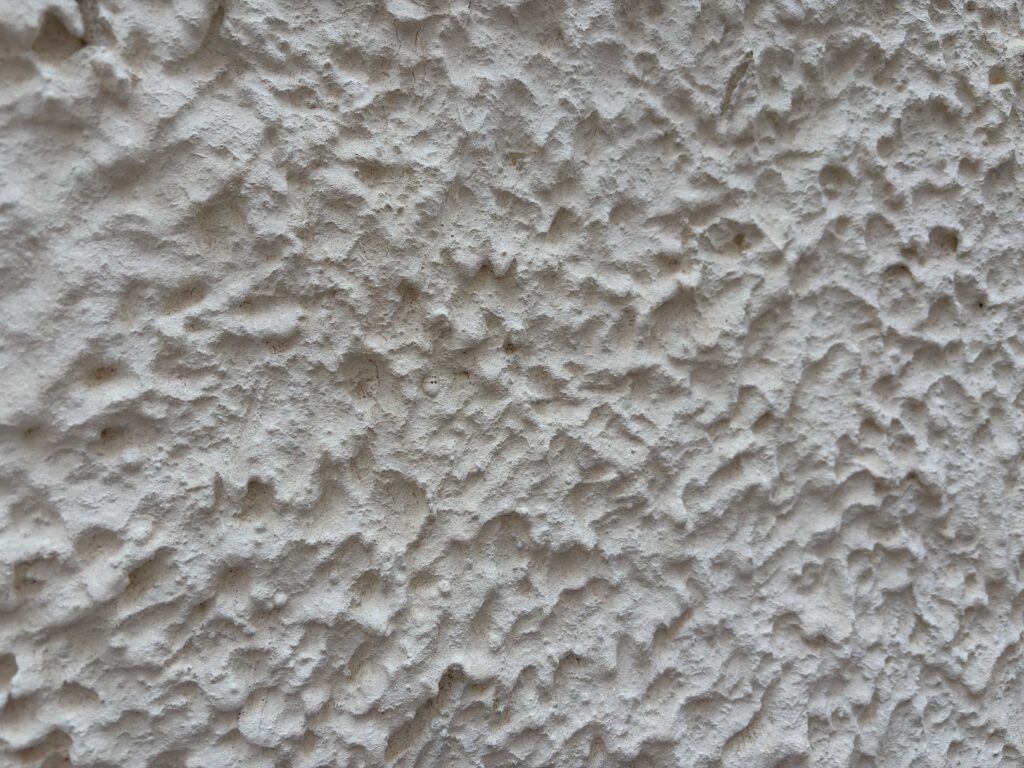
All the houses in the old town are finished with a rough pattern made by swatting the dried stem-bunches of dates against wet plaster. I had assumed this was just decoration, but it turns out the little whorls create tiny areas that in total provide about 50% shade on the surface, keeping the house cooler than flat plaster would. In the Sahara region, everything is cleverly designed to stay cool!
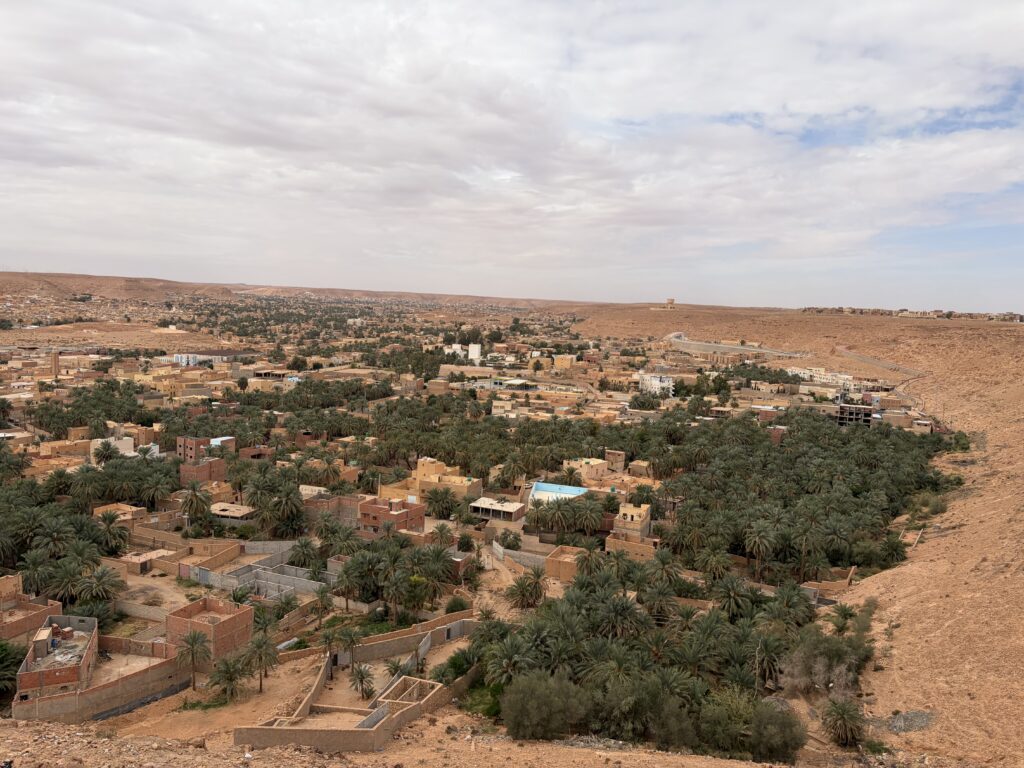
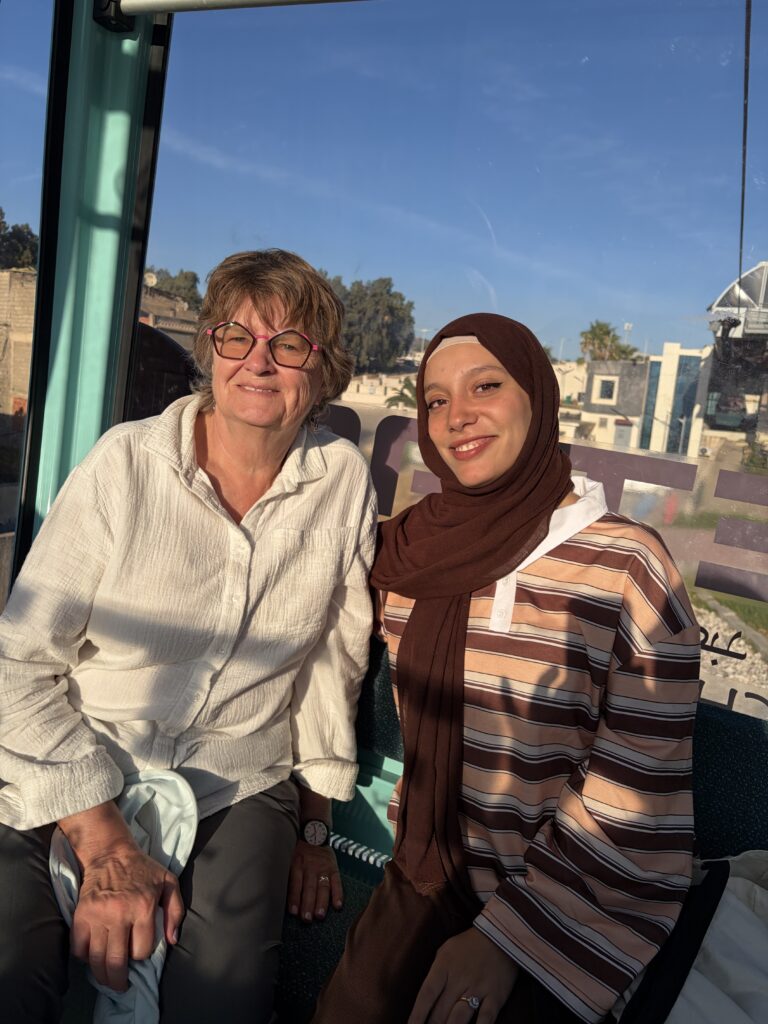
I will post a picture of an oasis to give you an idea, I hope, of how very green it looks surrounded by miles of sand and earth. And for good measure, will throw in a picture of my travelling companion enjoying an “oasis of peace” after our day of trekking.